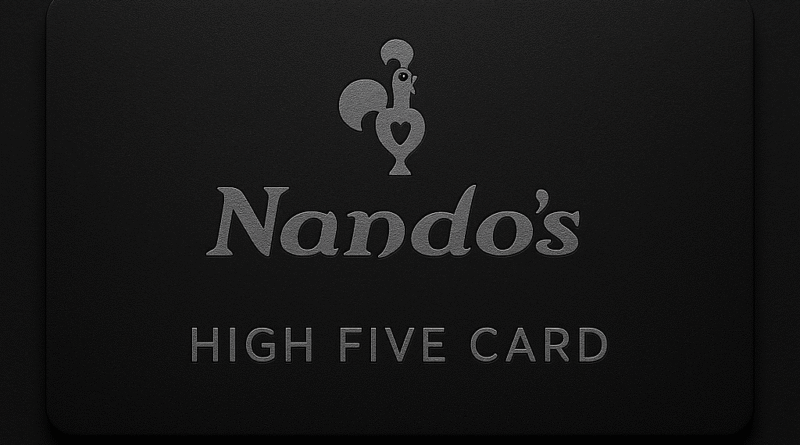
The Problem with Nando’s Black Card
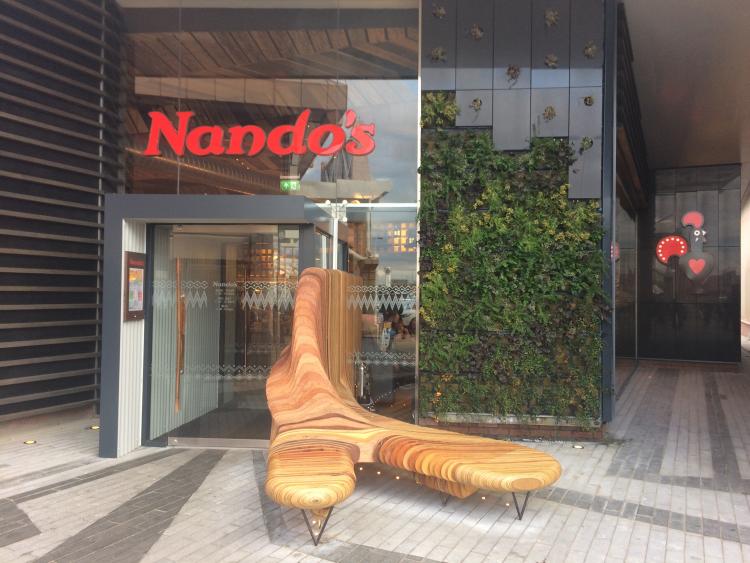
I’m a big fan of Nando’s — my local branches at Middlesbrough and Teesside Retail Park see me often enough. I like the food, I like the vibe, and I’ve got no issue with the idea of rewarding loyalty. In fact, a proper reward card that gives something back to regular customers is a good principle.
Where I take issue is with the so-called “Black Card” (or “High Five Card”) that Nando’s hands out to celebrities. The idea of free meals isn’t the problem — it’s who gets them. The rumoured holders are millionaires, chart-topping musicians, TV presenters. People who can pay for their own meal ten times over without blinking.
This isn’t about jealousy. I’m not sat here wishing Ed Sheeran or Vernon Kay had to fumble around for a fiver at the till. It’s about fairness. If anyone deserves a free plate of peri-peri chicken, it’s the hard-working people who save up to bring the family once a month, or the student scraping together enough coins for a cheeky Nando’s treat. The card, as it stands, does the opposite — it rewards those who need it least and leaves out the customers who’d actually appreciate it.
Marketing Dressed Up as Generosity
Let’s not kid ourselves: the Black Card isn’t about kindness, it’s about publicity. When a celebrity posts a photo from Nando’s, it makes headlines. When they casually mention it in an interview, that’s thousands of pounds’ worth of free advertising. Giving them free meals costs the company a fraction of what they’d otherwise spend on marketing campaigns.
In other words, it’s not generosity — it’s a calculated PR move. Nando’s gets more buzz from a famous face flashing their Black Card than they ever would from a billboard on the High Street. The problem is, while it’s clever from a branding point of view, it leaves the rest of us — the paying customers — feeling a bit undervalued.
If the company wants to generate loyalty and goodwill, wouldn’t it make more sense to show the same appreciation to the people who actually keep their local branches — like Middlesbrough and Teesside Retail Park — in business every day?
Limited Marketing, Alienated Customers
What makes the whole Black Card scheme even stranger is that it’s not even the most effective way to market. Not everybody keeps up with celebrity gossip or reads the latest interviews — I certainly don’t. So if Ed Sheeran or Vernon Kay happens to mention Nando’s, it completely passes me by. For customers like me, the card does nothing.
In fact, I’d argue it risks alienating loyal diners. The message it sends is: “We’ll reward fame, not loyalty.” That leaves a sour taste. If you really want to reach ordinary people — the ones turning up at Middlesbrough or Teesside Retail Park on a Saturday night — then do what works: run adverts on the radio, put up a few billboards, sponsor local events. Those things actually reach the people who matter most to your business.
Right now, the Black Card feels like a gimmick that flatters celebrities while forgetting about the regulars. And if the customers who keep your tills ringing start to feel undervalued, that’s bad business.
A Better Alternative: Rewarding Real Loyalty
To be fair, Nando’s already has a rewards system — collect your chillis, trade them in for free food. It’s simple, and it works. But if they really wanted to replicate the spirit of the Black Card, why not expand it into something bigger? Imagine a Gold Card, earned by genuine loyalty. Visit a certain number of times in a year, spend a certain amount, or hit a “superfan” milestone, and you unlock something extra: free meals for a month, an exclusive menu item, or even the ability to bring a friend along for free.
Better still, they could run promotions that reward everyday customers at random. Radio stations do this all the time — text in and you might win a grand. Nando’s could easily adapt that model: dine in during a certain week and you’re automatically entered into a prize draw for free meals for a year. That would create excitement, pull more people through the doors, and actually make customers feel valued.
That’s the key point: make customers feel valued. The Black Card, as it stands, does the opposite. It flatters celebrities, but risks leaving regulars with the impression that their loyalty counts for less than a blue tick. If Nando’s wants to keep its image as the people’s favourite chicken spot, then the people — not the already-privileged — should be the ones reaping the rewards.